
By Brave Author Jennifer Q. Hunt
Over the past year or so, I’ve noticed an interesting trend among
readers—an obsession with finding a character that makes the reader feel
“represented.” Certain readers are seeking characters who look like them,
are in the same situation in life, enjoy the same hobbies, and who face the
exact same struggles and issues.

It can be validating to see yourself reflected in a story. I remember my
childhood excitement when Disney’s Beauty and the Beast released and
there was finally a brown-haired princess. But I think this trend also comes
with a caution, as it can further the mindset of dividing people into groups
and seeing those different from us as “other.”
When I was getting ready to write the final book of my Wisteria House
trilogy, Purest Joys Restored, I started to panic because the female main
character is of mixed race. There’s a school of thought that no one should
write a character that is any race other than their own. I talked to a dear
friend (who is biracial herself) and explained my fears. Her simple-yet-
profound advice was: “Jennifer, she’s a person.”
Somehow that freed me up to dig down past my character’s outer trappings
to the real essence of who she was. On paper, we had very little in
common. Besides the racial difference, my character was an orphan, had
an amazing singing voice, and faced chronic health issues, none of which
are true for me. But when I got down to the lie that she had believed, I
found that I related to her far more than I could ever have guessed. Writing
her story helped me to deal with a particular traumatic situation in my own
past.
So what are some benefits of reading about characters not like you?
First, reading about characters who are different from you can help build
empathy. As you see the world through the eyes of someone who has
struggled in ways that you never have, you begin to notice blessings in
your life you might have taken for granted. Entering a character’s point of
view may help you understand why people you know make the decisions
they do. Even if you don’t agree with those decisions, understanding the
reason behind them is important to building healthy relationships and
reaching others with the Gospel.
Most of us are naturally pretty selfish and we tend to forget that everyone
doesn’t see the world through our lens. Reading is a way to get outside of
ourselves and consider others’ thoughts, perspectives, and needs.
Philippians 2:3-4 says “Do nothing from selfish ambition or conceit, but in
humility count others more significant than yourselves. 4 Let each of you
look not only to his own interests, but also to the interests of others.” A
good story can help you learn to do this.
Second, you may discover a new area of ministry. Reading about a foster
child, a young woman who regrets her abortion, a man who has lost his
spouse of forty years, or someone who has been betrayed by a spiritual
leader could lead you to look for those situations in real life and act on that
person’s behalf. Fiction can open our eyes to the needs in our community
and set us on a path of meeting those needs. It is not often statistics but
stories—be they true or true to life—that move our hearts to action.
Third, reading about a character not like you helps you get past surface
differences to discover deeper similarities. When you think of the most
memorable characters from literature, the ones that stick with you years
later, you probably don’t have that much in common with them. I haven’t
read any books about an incredibly average middle-aged homeschool
mother of four living in suburbia.
But while I’ve never been a Canadian orphan shuffled from one family
to the next, I’ve been lonely and turned to my imagination to relieve
the tedium of my life. And though I’ve never been
a Frenchman arrested for stealing bread, I’ve bristled at injustice and
longed for grace. I didn’t marry a man of the landed British gentry, but I do
remember what it is to long for a marriage built on love and respect and
wonder if I would ever find that.
If you feel unable to relate to fictional characters because they are too
perfect or one-dimensional, might I suggest that rather than seeking
characters exactly like you, try finding some who are very different.
Consider a new-to-you author and/or genre. And if you are looking for
stories that address hard topics with a balance of grace and truth, the
Brave Author list is a great place to start!
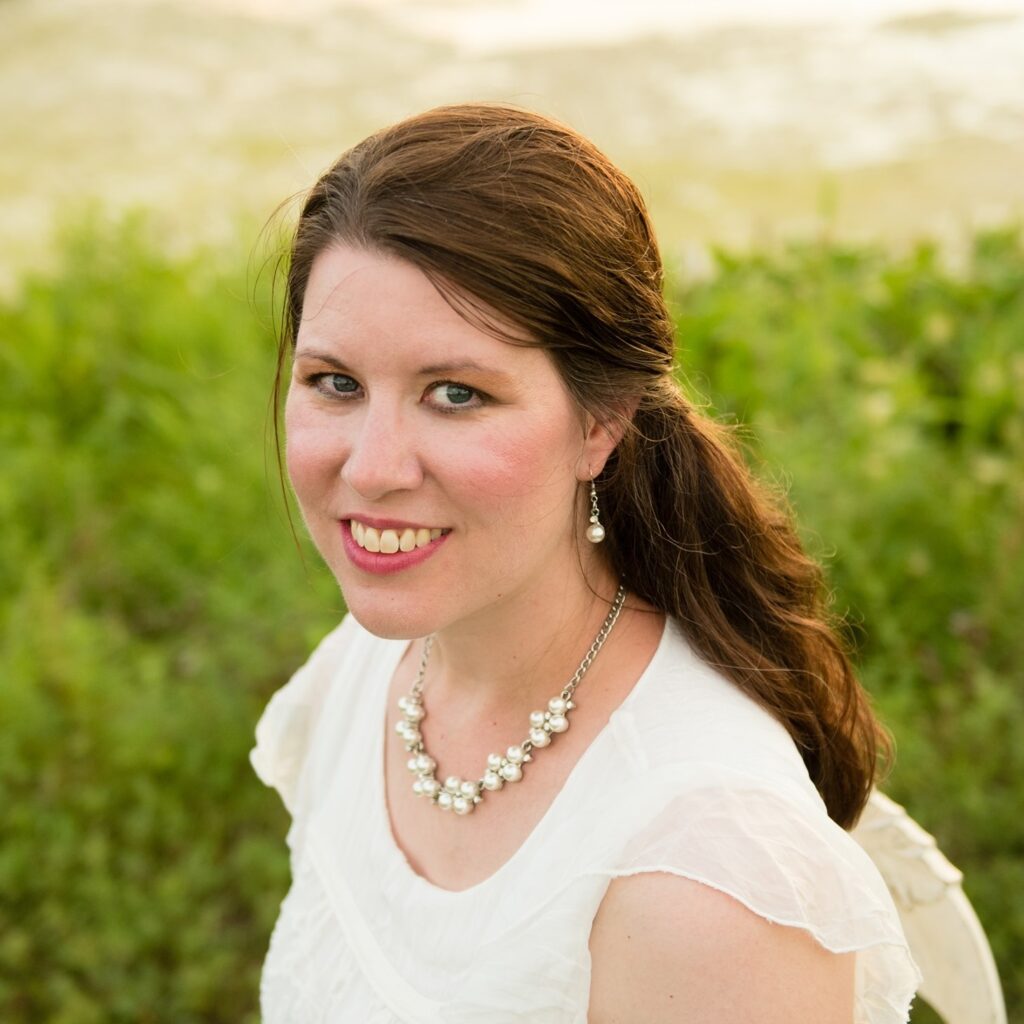
Jennifer Q. Hunt is the author of the Wisteria House trilogy, 1920s Southern
Fiction that addresses the topic of spiritual abuse in a setting of family
drama, historic adventures, sweet romance, and beautiful redemption.